.avif)

DAY & NIGHT



If you’re lying in bed, tossing and turning as persistent hacking bars you from a peaceful slumber, you may be asking: Why is a cough worse at night?
Several factors can make coughing worse at night, from your sleeping position to the immune system kicking into high gear while you drift off. We’ll discuss these factors below before exploring strategies to soothe a nighttime cough.
A cough can get worse at night because of lung or airway issues, acid reflux, certain medications, sleep apnea, or your circadian rhythm.
Lung and airway issues can contribute to coughing that flares up at night. Common examples include:
Asthma is a chronic condition that causes periodic airway inflammation, making it difficult to breathe. Along with wheezing, chest tightness, and shortness of breath, asthma can cause coughing that tends to worsen at night.
Postnasal drip occurs when mucus builds up and drips down from your nose or sinuses into your throat. This can irritate your throat and give you the urge to cough. Postnasal drip tends to worsen at night because when you lie down, gravity encourages mucus to drip into your throat.
Allergies can trigger airway inflammation and excess mucus production as your immune system attacks the allergen. This may set off your cough reflex.
Respiratory infections like the common cold and flu often cause coughing, among other symptoms. These symptoms typically worsen at night as your immune cells become more active, ramping up inflammation to fight the infection.1
GERD and acid reflux occur when stomach acid flows back up into the esophagus, causing heartburn. Particularly with GERD (a more severe form of acid reflux), stomach acid irritates the throat tissue, causing coughing and wheezing. When you lie down in bed at night, gravity promotes the flow of acid into the esophagus, worsening GERD symptoms.2
Certain medications, like ACE inhibitors, have nighttime coughing as a possible side effect. ACE inhibitors, which are mainly used to treat hypertension and heart failure, inhibit the enzyme that breaks down bradykinin, a peptide that can constrict your airways and trigger your cough reflex.3
Sleep apnea is a sleep disorder that causes interrupted breathing, compromising your body’s ability to take in oxygen. It typically increases inflammation in the upper airways, which can trigger your cough reflex and lead to nighttime coughing.4
Circadian rhythm, the body’s internal clock, can also play a role in nighttime coughing. Your circadian rhythm prompts the immune system to go into overdrive at night. If you’re already sick, your cough may feel worse at night as your immune cells work harder to clear the infection.5
Adjusting your sleep environment, using cough remedies before bed, and avoiding certain foods and drinks can help reduce nighttime coughing. If you’re experiencing a nighttime cough from an underlying condition, like GERD or sleep apnea, visit your doctor for a treatment plan to address the root cause of your symptoms.
Small changes to your sleep environment can make a monumental difference in your nighttime cough.
Elevate your head with an extra pillow or two while you sleep. This helps prevent mucus from dripping into the throat (from post-nasal drip) and stomach acid from flowing into the throat (from acid reflux).
If the humidity in your bedroom is less than 30% to 40%, consider using a humidifier to hydrate the air. This will prevent you from inhaling dry air, which could irritate your airways and stimulate the cough reflex.6
Launder your bedding at least once weekly to prevent exposure to allergens, like pollen and dust mites. If you’re struggling with a coughing from season allergies (hay fever), close the windows to keep pollen from blowing into your home.
Hydrate before bed and keep a glass of water on your nightstand to sip if your throat feels irritated.
Using cough remedies before bed can soothe an irritated throat to keep your cough reflex at bay. Natural options include:
Decaffeinated herbal tea with honey
Warm water with lemon and honey
A teaspoon of honey
A warm saltwater gargle to calm a sore throat and break up excess mucus
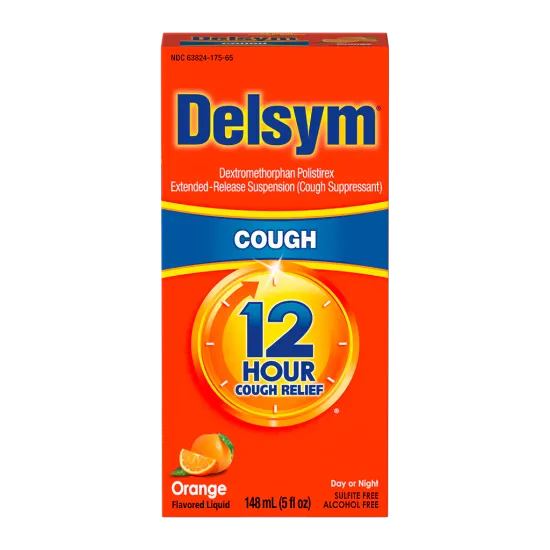
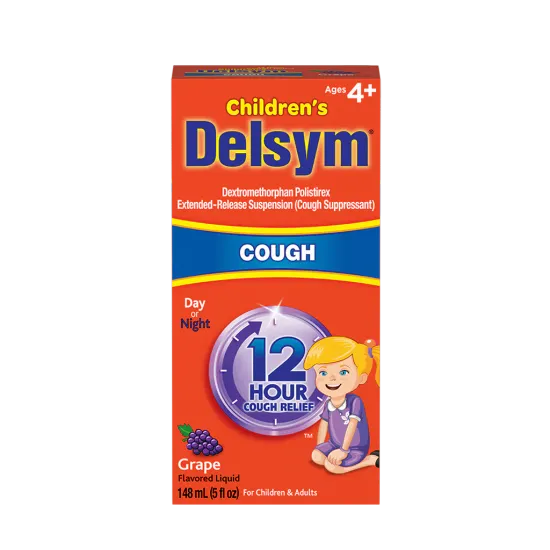
If you’re struggling with coughing at night caused by the common cold or flu, nighttime cough medicine can calm your cough to help you fall asleep. Dextromethorphan, an active ingredient commonly used in over-the-counter cough medicine (like Delsym®), works by reducing activity in the area of the brain responsible for your cough reflex.
Avoiding foods and drinks that are known to trigger acid reflux can help you avoid a nighttime cough. These include:7
Fatty foods, including deep-fried dishes, butter, and lard
Processed, high-sodium foods
Spicy foods
Acidic foods, like tomatoes, citrus fruits, and coffee
Chocolate
Alcohol
Carbonated drinks, like soda and seltzer water
Additionally, eating your last meal or snack of the day at least three hours before bedtime gives you time to digest before hitting the hay, further preventing acid reflux symptoms.
You should consult a doctor for nighttime coughing if:
It lasts longer than a week.
It occurs with other concerning symptoms, like difficulty breathing, chest pain, or fever.
You’ve been diagnosed with a chronic respiratory condition, like asthma or COPD.
Coughing shouldn’t keep you up at night. Reach out to your doctor for further help with nighttime coughing that doesn’t go away with at-home care, and explore our blog for other coughing tips and resources.